


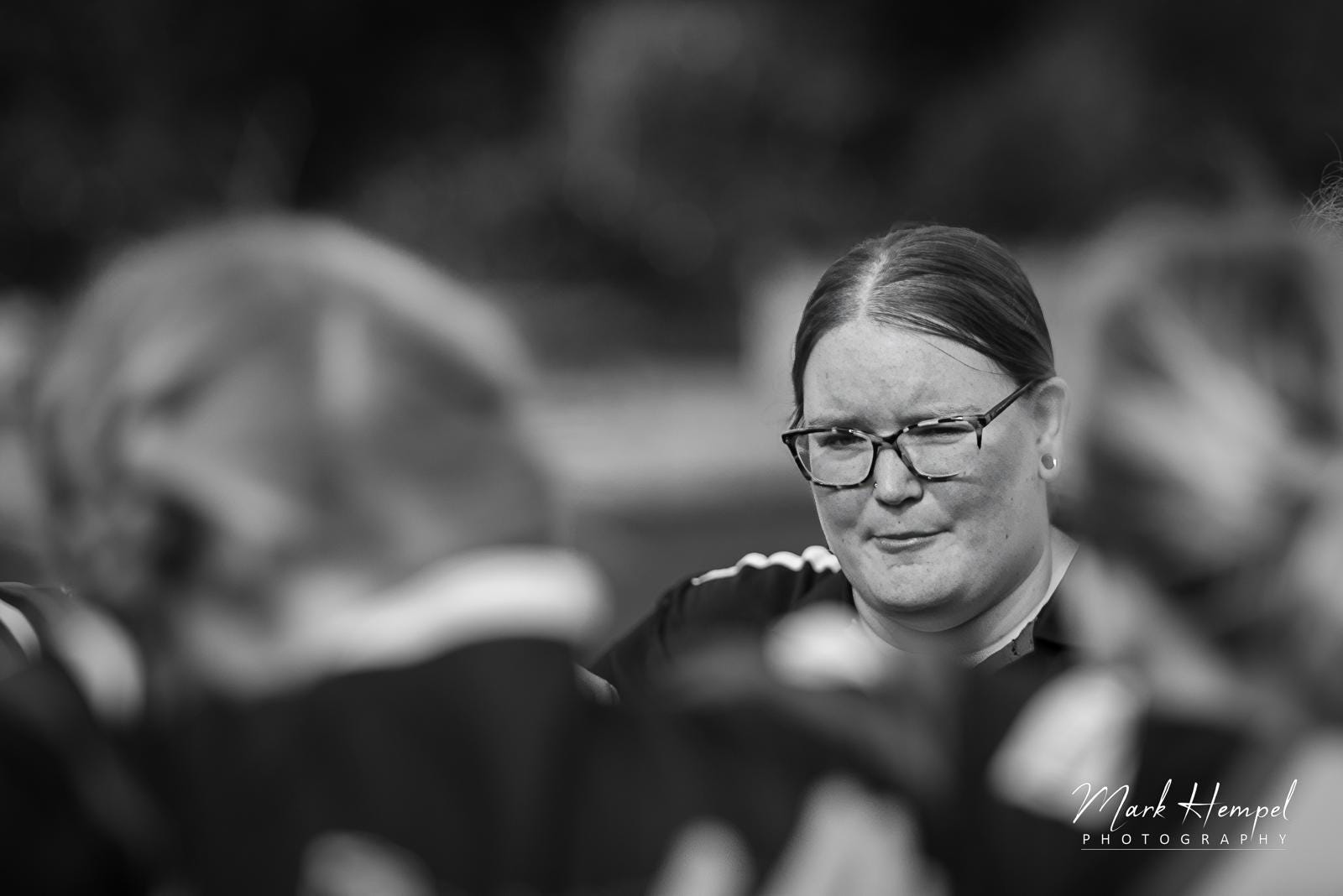
I’m an assistant coach in a women’s rugby team. I was formerly head coach of the same team. My philosophy is to get women and girls playing whatever the format. Just get a rugby ball in their hands and get them enjoying it.
Enjoying the content? Please consider buying me a coffee (starting from £5)
I’m a neurodiverse coach and sometimes it affects how I am perceived. People may expect me to not be as capable. A lot of the time people actually forget, or don’t know enough about my condition and therefore I’m expected to perform to the same standard as a neurotypical person.
I’ve found my neurodiversity impacts my coaching in a few ways including:
Organisational skills and prioritisation.
Impulse control when dealing with the people management side.
Rejection sensitive dysphoria - being incredible sensitive to constructive conversations as there is a deeply routed neurological belief that everyone already hates you and thinks you’re not up to it.
I’ve also found it has enhanced my coaching:
I have a passion and excitement for my hyperfocus (rugby),
It gives me problem solving skills, empathy and understanding of other neurodiverse people.
What I wish people knew
It’s a constant battle to be good enough. You have all of these things that neurotypical people can do with ease that you have to put double the effort in to, or just cant achieve sometimes.
You’re also battling your sensory needs. For example you may have a session where everyone is a bit loud/disruptive/giddy and if your sensory overwhelm is kicking in it can be hard to control the group professionally.
Neurodivergent people are already struggling in the world. A bit of kindness and understanding goes a long way to allowing them to be their authentic selves and build their confidence coaching. A confident coach benefits everyone as they coach better.
It’s been a long time since I did the formal RFU qualification (such as the level 2) but I find that CPD can be difficult to access. There’s a lot of hands on courses - rightly so- it’s a physical skill, but that can also have it’s own drawbacks.
For example, when booking CPD I might ask myself:
How am I feeling?
Can I cope being around people I don’t know right now?
How do I feel from a sensory perspective - i.e. can I do contact drills with people?
What is the environment going to feel like?
More e-learning and opportunities to do CPD in a more flexible way would be welcomed.
I would like to see neurodivergent champions within coach developer teams. This would be someone with lived experience. Diagnoses of neurodivergent conditions are on the rise because people (particularly women) flew under the radar as children.
1 in 5 people are neurodivergent, so in a coaching team including administrative staff, there’s probably already at least one neurodivergent volunteer within your group whether you’re aware or not.
Coaching for people with ADHD (which is my main diagnosis) is vastly different than for neurotypical people and requires specific skills. If the RFU are reading this- I accept the job!
It’s important to note that even though this is my experience of being neurodivergent, and although there are common symptoms and themes within each neurodivergent condition, it differs vastly person to person.
The best way to find out what your neurodivergent colleague needs is to ask them and be willing to understand and listen.
Did you know there’s a paid subscription option for Coaching Care Creativity? None of the regular content is behind a paywall so your subscriptions or coffee clicks can help keep the content going. The subscriptions are £5 a month or £50 for the year. You can also buy me a one-off coffee for just £5.
Click the links below to buy me a coffee or upgrade your subscription