


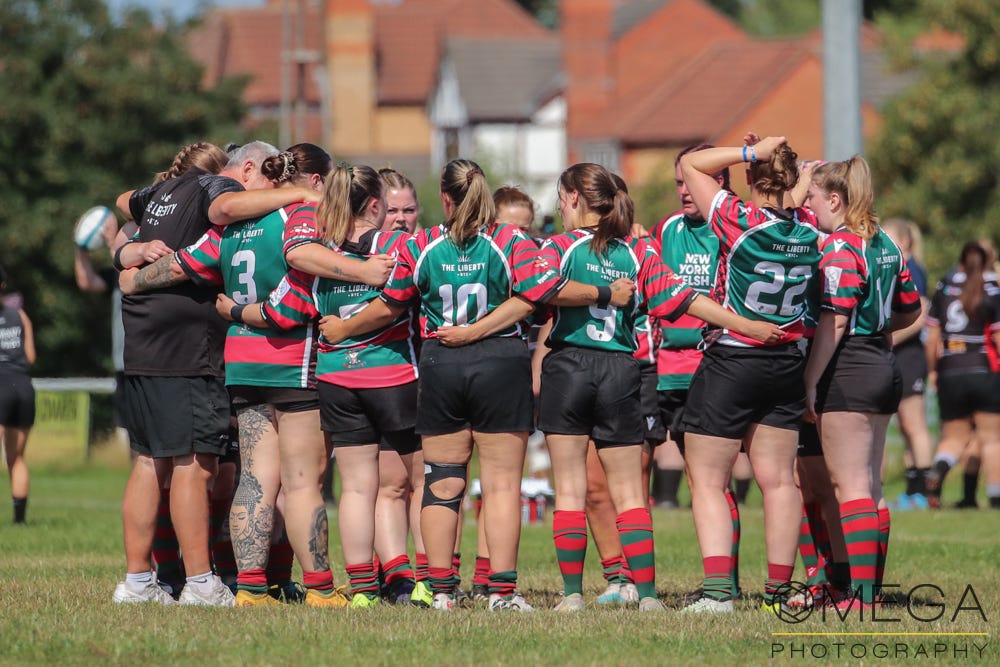
Menopause is considered as one of the last female health taboos. Perimenopausal women can face alot of barriers to physical activity. Having coached teams that had midlife players, I know that team sports can be an amazing avenue for physical fitness, confidence and gaining some “me time”.
Before Laura explains her research into perimenopause and the benefits of team sport (in this case walking football). Here’s a reminder of the articles discussing menopause that are in the archives of Coaching Care Creativity:


I’ve always been involved in sport; as an athlete, fan, and coach, and now in my current role as a lecturer in sports coaching and development.
My experiences have given me a particular interest in girls’ and women’s involvement, and when completing my doctorate I chose to investigate female footballers’ coaching intentions.
Since then I have begun to widen my research focus. As part of a partnership between my university, and the local Active Schools team, each year I deliver a session to their young leaders about working with female athletes.
This highlights the key differences between coaching girls and boys, and discusses some key issues that impact girls and women as they enter and progress in sport. As the majority of Active Schools work involves young people, I briefly mention menopause, but focus more on periods, body image, and breast health.
When talking to the manager after a session, I explained that I didn’t really cover menopause due to the unlikelihood of the coaches working with women of that age (and time constraints of the short session), and this led to a wider discussion of the overall lack of awareness of the challenges that come with this life stage, especially in relation to sport participation.
From here I realised that, although the topic of menopause is becoming more commonly discussed in the news, workplace, and society in general, there remains a dearth of academic literature about sports participation and performance.
Buying me a coffee (starting from £5 or purchasing a subscription helps to keep the work going and means important topics can be discussed, shared and explored. Your support is much appreciated, whether you share, buy me a coffee or purchase a paid subscription
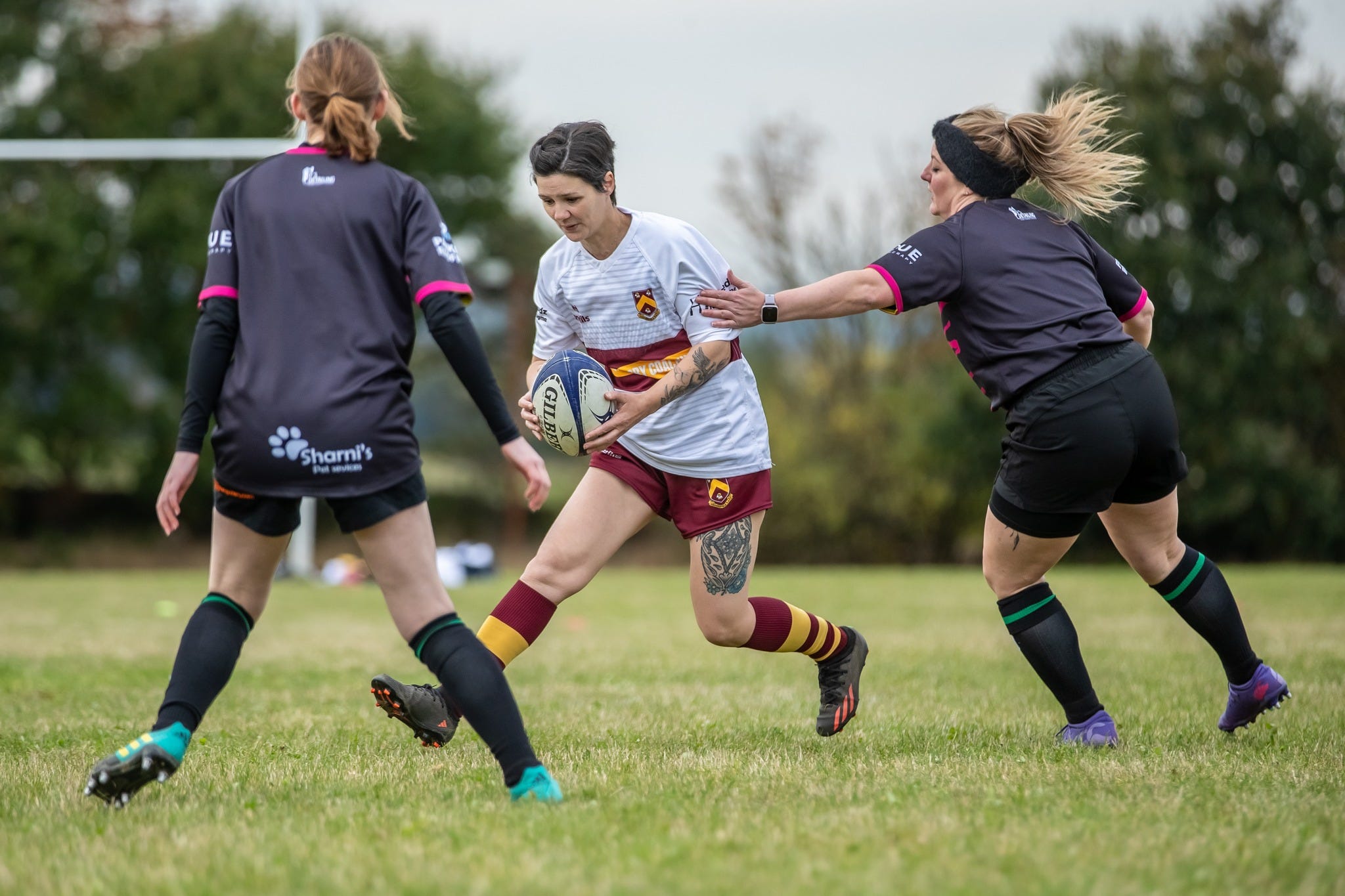
Menopause and physical activity
The literature available is generally in agreement about the benefits of physical activity on menopause symptoms, and of peer support and menopause information, which many women find difficult to access.
I play walking football myself, and personally benefit most from the social aspect; a result of the camaraderie shared between us all. This got me thinking about how walking football could be beneficial to women as they negotiate their menopause journey.
A further search of literature found some interesting studies about physical activity at this life stage, but was very little involving team sport.
With the unique camaraderie in team sport, and the importance of peer support during menopause, I felt this was an area worth investigating further.
Previous research into menopause and sport discusses benefits of being active, but mainly focuses on individual activity. There is also lots of evidence that although women would like to be more active in this life-stage, many find their activity levels drop (often due to symptoms such as fatigue and discomfort).
The benefits of team sports for perimenopausal women
My study was an exploration of the experiences of perimenopausal women, who were currently playing walking football.
The study involved in-depth, semi-structured interviews, where we discussed their menopause journey, experience of sport and physical activity throughout their life, and their experiences of playing walking football. The aim was to find any potential relationships between these.
I found that most of the women had difficulty in gaining support and information from health professionals, and sometimes also family and / or friends. Regardless of previous sporting / football experience, they all found the walking football community to be extremely welcoming.
Since playing the game, all had experienced improvements in their quality of life; both physically and mentally. They discussed the ease of being active through walking football, which they found genuinely enjoyable, rather than their hitherto ‘clock watching’ at the gym.
They really enjoyed the ‘banter’ between teammates and opponents alike, and discussed how being among others at the same life stage created a ‘safe space’ for discussing menopause, and sharing ideas and information.
The biggest benefits were seen in the women’s mental health, where all mentioned feeling much more positive during and after playing.
Through being active, women are more likely to reach the recommended levels of activity for health, reducing their chances of getting many non-communicable diseases (such as diabetes, cancer and heart disease).
Through team sport women make new friends, gain peer support, and often find they are in a space where they can be open and honest about challenges they are facing.
With women being healthier this will have a positive impact on the health service, workplaces may see more productivity, and wider society will benefit from more people using health facilities, and engaging more with their local community.
Advice to clubs looking to offer sporting provision to perimenopausal women
Don’t make assumptions – ask women what they enjoy, and what puts them off, and try to tailor provision for their needs.
Also encourage them to be open to try new things; many in my study had never considered playing football, and now they absolutely love it!
Don’t forget there’s two Whatsapp groups to chat and connect with fellow coaches and sportspeople:
Female Coaches Whatsapp

Subscribers (of any gender) Whatsapp

Did you know there’s a paid subscription option for Coaching Care Creativity? Nothing is behind a paywall so your subscriptions or coffee clicks can help keep the content going. The subscriptions are £5 a month or £50 for the year. You can also buy me a one-off coffee for just £5.
Click the links below to buy me a coffee or upgrade your subscription