


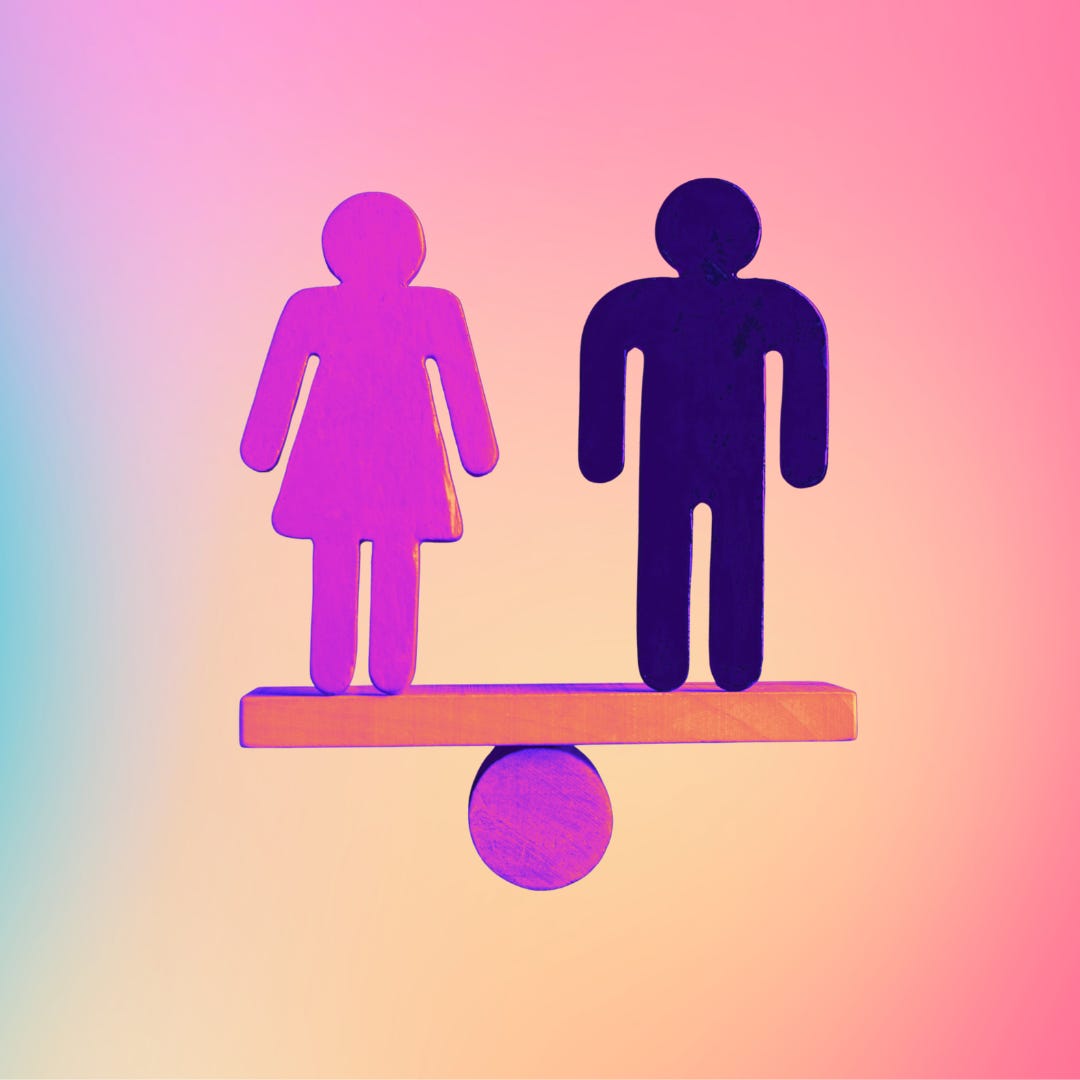
My Experiences of Bias
The main bias I have encountered is gendered leadership expectations. I’ve seen that where men are direct, confident or demanding, they are described as “strong leaders”. Women displaying these attributes are often labelled “bossy” or “difficult”.
This is also reflected in a prevalent unconscious bias where women are constantly required to demonstrate their competence and ability.
I’ve also experienced situations within many clubs where women have to fight to get the social media coverage, sponsorship, facilities, funding, and recognition that they deserve.
Buying me a coffee (starting from £5 or purchasing a subscription helps to keep the work going and means important topics can be discussed, shared and explored. Your support is much appreciated, whether you share, buy me a coffee or purchase a paid subscription
Power is held by those who control where resources are allocated, and women are often at the bottom of the pile.
Many sporting organisations still have committees made entirely or mostly of white men. This not only causes a power imbalance from a gender point of view but from a general equality point of view.
There’s also a positive: power can be a good thing. I have used my influence and power in a positive way to recruit women to sport, grow women’s rugby, and challenge existing power structures.
The power imbalance and gender bias within sport causes a feeling of needing to work harder than male counterparts to gain the same level of respect and credibility,. It also causes extra time spent justifying decisions or proving myself.
The mental exhaustion is incalculable. Mental health decline is a real concern- from the anxiety caused by overthinking every thing you do and say, to the imposter syndrome and just not feeling good enough.
As a leader I feel a responsibility to advocate for my players and this puts a lot of pressure on me to get them the result that they want.
When players witness bias towards their coach/leader, they may become aware of the inequalities that still exist in the sport which can have an affect on how they perceive themselves as an athlete.
Conversely, players see a female leader presenting as strong and prepared to stand up for them and they can find this empowering.
Women’s sport is still considered to be the sub-par version of men’s sport, in many circles. Yet we have more successful national teams than men, greater uptake in participation among all ages of females in most sports, and increasing sponsorship opportunities for top level female athletes.
However, when we allow our biases to surface, this hinders us. We risk losing women from sport/clubs because of the power imbalance. This in turn impacts the financial viability of the club and sport as a whole but also affects the pathway to professionalism. All which sets us back.
Biases Across the System
Historically there’s been lots of issues with women playing sport. My sport is rugby and there were times when rugby was played by women but wasn’t recognised, received little support and faced criticism.
We live in a society where gender based representations often mean that people have in the past believed that women are too delicate for certain sports and even that sport and their associated kit or equipment aren’t ladylike. We are therefore still battling against a patriarchy.
Power imbalances in sport can be addressed by creating fairer opportunities, increasing representation (you’ve got to see it to be it) and challenging the biases that already exist.
Governing bodies and clubs need to continue to work towards a place of equality by ensuring women and under-represented groups have a voice and aren’t afraid to use it. Women need equal access to social media, equipment, coaching, facilities and funding.
England Rugby were trailblazers in awarding professional contracts for female players and they’ve reaped the rewards. If we follow their example- invest, empower, and support the female athletes, the results that follow pay for themselves.
What I would like to happen
I would like equal opportunities for all club members- no more first team mens sport mindset. Female representation on committees - but beyond that, females on committees who actually get to contribute and are listened to. Equality and diversity training as standard for sports club representatives to challenge unconscious bias.
Players need all of the above in order for their to be an environment where they feel physically and psychologically safe. Where they feel empowered to call out wrongdoings. Where they are supported and backed by the club. Ultimately leading to happier, better players who stay year after year.
I would like coaches to be able to feel confident and be the strong leaders that they can be without being seen as bossy. To receive support, including mentoring and appropriate feedback instead of being forgotten- currently many women only get this when they “do something wrong”.
Reducing power dynamics and bias in sport comes from the top- so commentators, influencers, athletes - they all need to be calling it out, making it known that it isn’t okay for power dynamics to be at play in sport. When the general public start listening to this, the hope is that over time their thoughts on women in sport will change.
People need to realise that having women in sport benefits them too. At grassroots level it means more membership, more families involved, more volunteers recruited, more money over the bar and in sponsorship.
At professional level it again creates money. Stadiums are used twice as much bringing in revenue. Sponsorship is more lucrative as big companies want to get the most value for money. And ultimately the fan base grows.
Did you know there’s a paid subscription option for Coaching Care Creativity? None of the regular content is behind a paywall so your subscriptions or coffee clicks can help keep the content going. The subscriptions are £5 a month or £50 for the year. You can also buy me a one-off coffee for just £5.
Click the links below to buy me a coffee or upgrade your subscription