


Did you know every coffee or paid subscription supports this work and me?
Show your support via a one-off coffee purchase
Training helps us prepare for matchdays and develop our players. As coaches we plan sessions that focus on key areas including tactical, technical, mental and physical parts of the game.
However, there are areas of the game we don’t always consider. These include gaps when the ball is not in play, such as half times or when a scrum is being set up.
Adding these into training can come from an awareness of your team’s rhythm, especially if your matches are recorded. You can make a note of the ball in play time, how long there is to set up a lineout or scrum and then aim to replicate aspects of that in training.
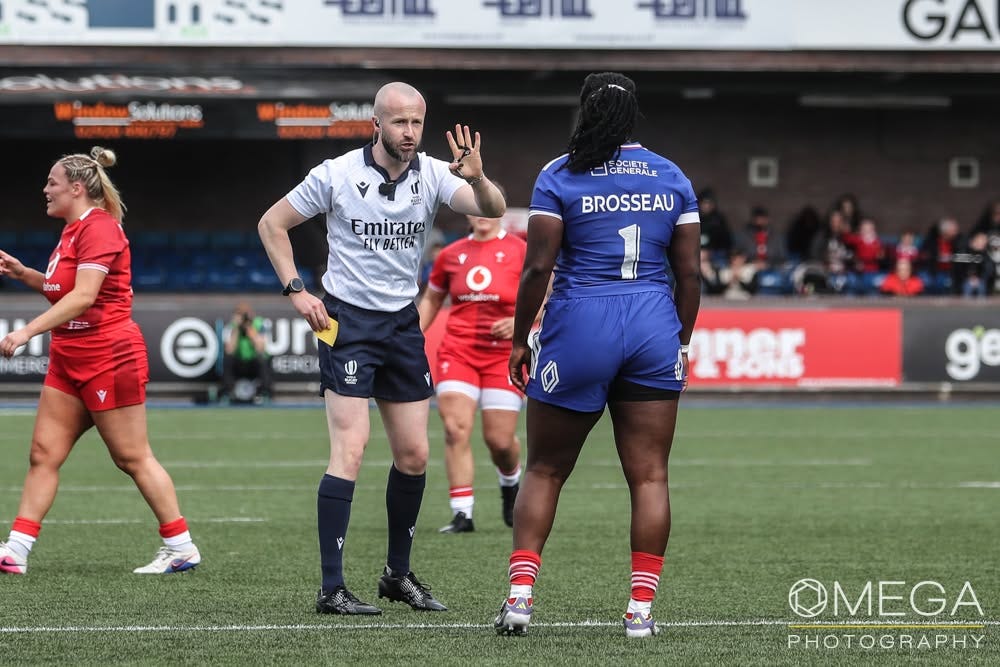
Another element of the game we don’t always consider training is match officials. If we have co-coaches they can referee the match, but how they referee can help players develop.
I’ve written about the use of referees before and how you can engage players. It was one of the very first posts I did.


These are great starting guides if you’re wanting to use referees in your training more often and don’t know where to start. As well as using co-coaches or players as referees, you can also bring in qualified match officials as one-offs to help your team. This can be helpful practice for the referees as well as your players.
Having a referee at training can help players to build their mental resilience and leadership skills.
I like to deliberately use the referee to apply constraints on the training game, just like changing the rules of a game. I’ll ask for the referee to notice particular things that we’ve been working on. This could be rucking or offside. Just like any other training activity you can scale up or down the contact.
I often like to vary which team gets put under pressure. I will ask a referee to make harsher calls on one team for the first half of the game and then swap after a simulated half time.
This gives the players different challenges.
For the team that is being penalised:
It puts them under pressure and simulates what might happen if they give away alot of penalities. It tests their mental resilience and creates opportunities for the captains to practice talking to the referee.
For the team that has been given opportunities:
It creates a space to think about what to do in penalty situations in different areas of the pitch and at different points in the match. This might give them opportunities to practice their tap penalties, lineouts or penalty kicks.
Why try this?
Teams may find themselves under pressure in a match. How they speak to referees and how they respond is a skill that can be practised. It can also help teams commit less penalties. It can aid your team’s decision making when benefitting from penalities.
Developing mental resilience is a large benefit of using referees at your training session. Players may have a large sense of justice. (This can also be a neurodivergent trait). Helping players understand how a referee might apply the laws or how to react if they are being penalised can help teams start to discuss mental skills and how to support each other.
Did you know there’s now coach memberships? There’s 3 tiers for coaches (or anyone who wants to support the work and wants support), there’s also a special tier for clubs and W&Gs sections. There’s a coaching hotline, access to webinar recordings, and monthly mentoring. Memberships start from £5 a month.